
High Blood Pressure in El Paso: The Silent Killer and How Your Primary Care Doctor Can Help
High Blood Pressure in El Paso: The Silent Killer and How Your Primary Care Doctor Can Help
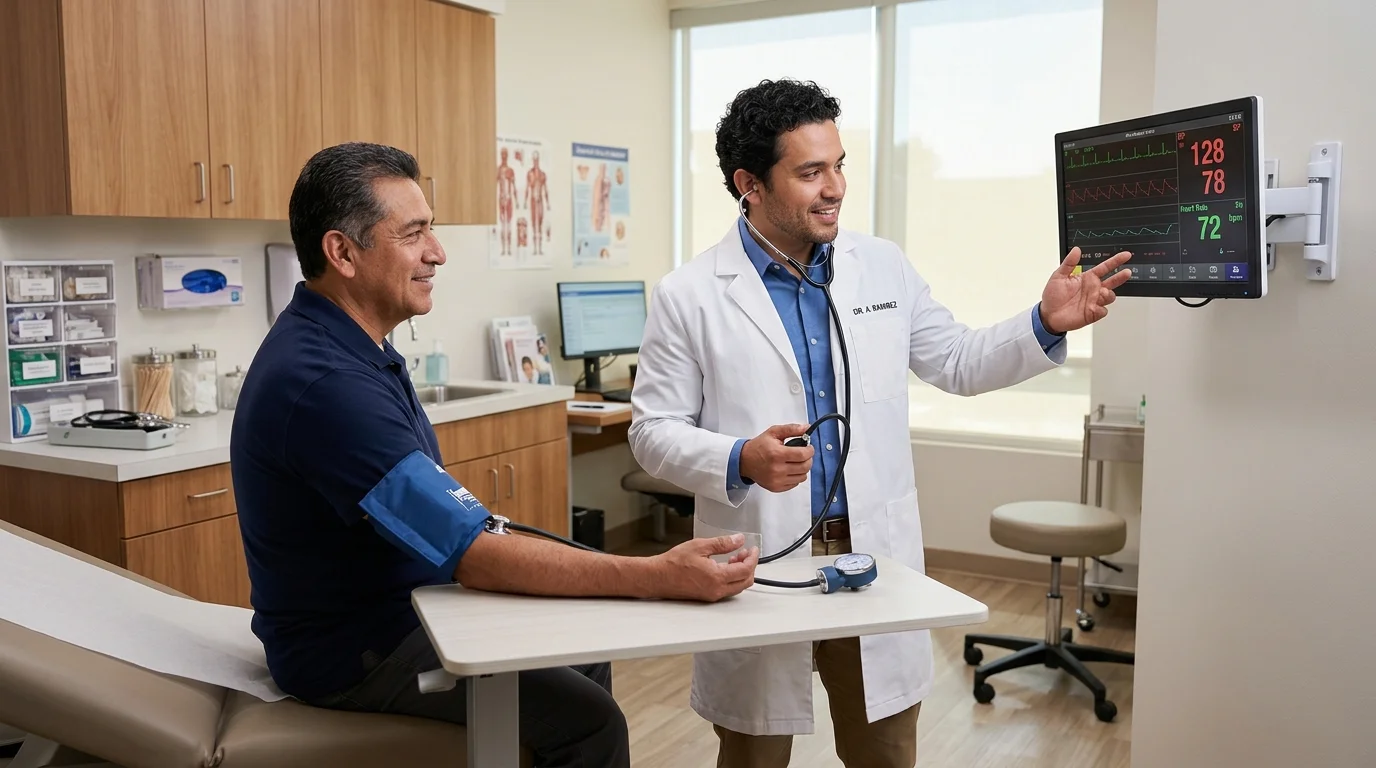
High blood pressure—medically known as hypertension—is the single most common chronic condition treated in primary care clinics across America, and El Paso, TX is no exception. Nearly half of all American adults have hypertension, yet a staggering number do not even know it. At Kingsway Medical Center on North Loop Dr, managing blood pressure is one of the most critical services we provide, because when left unchecked, hypertension silently destroys your arteries, heart, brain, kidneys, and eyes over years and decades.
Dr. Adekunle Adedeji, board-certified in both Family Medicine and Geriatric Medicine, frequently tells patients that hypertension earns its nickname—"the silent killer"—because it rarely produces symptoms until catastrophic damage has already occurred. A heart attack. A stroke. Kidney failure. These are often the first "symptoms" a person with untreated high blood pressure ever experiences.
The encouraging truth is that hypertension is highly manageable with the right combination of lifestyle modifications, medical monitoring, and—when necessary—medication. In this comprehensive guide, we will explain exactly what blood pressure numbers mean, why El Paso residents face elevated risk, and the specific strategies our team uses to help patients take control.
Table of Contents
- What Is Blood Pressure and What Do the Numbers Mean?
- Understanding the Blood Pressure Categories
- Why El Paso Faces a Hypertension Crisis
- How High Blood Pressure Damages Your Body
- Dietary Changes That Lower Blood Pressure Fast
- Exercise, Stress, and Sleep: The Lifestyle Trifecta
- Medications for Hypertension: What You Need to Know
- Home Blood Pressure Monitoring: A Patient's Best Tool
- Frequently Asked Questions (People Also Ask)
- Take Control of Your Blood Pressure at Kingsway
1. What Is Blood Pressure and What Do the Numbers Mean?
Blood pressure is the force that your blood exerts against the walls of your arteries as your heart pumps it throughout your body. It is measured using two numbers expressed as a ratio (e.g., 120/80 mmHg):
Systolic Pressure (Top Number): This measures the pressure in your arteries when your heart beats—when the heart muscle contracts and pushes blood out. This is the higher of the two numbers and represents the peak force on your artery walls.
Diastolic Pressure (Bottom Number): This measures the pressure in your arteries between heartbeats—when your heart is relaxing and refilling with blood. This represents the minimum, baseline force on your artery walls.
Both numbers are critically important. Sustained elevation of either number indicates that your heart is working harder than it should, and your arteries are enduring more force than they can safely withstand over time. The American Heart Association (AHA) provides detailed resources on understanding your blood pressure readings and what they mean for your long-term health.
2. Understanding the Blood Pressure Categories
The AHA defines five blood pressure categories that help clinicians and patients understand where they stand:
| Category | Systolic (mmHg) | Diastolic (mmHg) | Action Needed | |---|---|---|---| | Normal | Less than 120 | Less than 80 | Maintain healthy lifestyle | | Elevated | 120–129 | Less than 80 | Lifestyle changes recommended | | Stage 1 Hypertension | 130–139 | 80–89 | Lifestyle changes + possible medication | | Stage 2 Hypertension | 140 or higher | 90 or higher | Lifestyle changes + medication likely | | Hypertensive Crisis | Higher than 180 | Higher than 120 | Seek emergency care immediately |
Critical note: A single elevated reading does not necessarily mean you have hypertension. Blood pressure fluctuates throughout the day based on activity, stress, and other factors. Diagnosis requires consistently elevated readings across multiple visits.
In our practice at Kingsway Medical Center, we always take multiple readings and consider the context before making a diagnosis. We also encourage patients to supplement clinical readings with home monitoring for the most accurate picture.
3. Why El Paso Faces a Hypertension Crisis
Hypertension rates in El Paso are significantly influenced by several overlapping community health factors:
High Sodium Diets: The traditional Tex-Mex and Mexican culinary traditions that define our food culture—while delicious and culturally important—tend to be high in sodium. Canned beans, processed meats, cheese, tortilla chips, salsa, and restaurant meals all contribute to sodium intake that frequently exceeds the recommended daily limit of 2,300 mg set by the CDC. Many El Paso adults consume more than 3,400 mg of sodium daily.
Obesity Rates: El Paso County has obesity rates that exceed both state and national averages. Excess body weight—particularly visceral fat around the abdomen—directly increases blood volume and peripheral vascular resistance, forcing the heart to work harder.
Diabetes Co-Occurrence: Hypertension and Type 2 diabetes frequently occur together. High blood sugar damages blood vessel walls, making them stiffer and less compliant, which directly raises blood pressure. For our comprehensive guide on diabetes management, see our article on managing diabetes in El Paso.
Stress and Economic Pressures: Financial stress, job insecurity, and the challenges of border-community life contribute to chronic stress. Sustained stress hormones (cortisol, adrenaline) constrict blood vessels and elevate heart rate, driving blood pressure higher.
Limited Access to Fresh Foods: Several neighborhoods in East and Lower Valley El Paso qualify as food deserts, where access to affordable fresh fruits and vegetables is limited, making healthy eating significantly more challenging.
4. How High Blood Pressure Damages Your Body
Uncontrolled hypertension acts as a slow, relentless wrecking ball against your cardiovascular system and vital organs:
Arterial Damage: The excessive force against artery walls creates microscopic tears in the vessel lining. Your body repairs these tears with scar tissue and cholesterol deposits, gradually narrowing and hardening the arteries (atherosclerosis). This process accelerates when combined with high cholesterol—a topic we covered extensively in our heart health and cholesterol guide.
Heart Damage: Your heart muscle must work progressively harder to pump blood against increased resistance. Over time, the left ventricle thickens and enlarges (left ventricular hypertrophy), eventually leading to heart failure—a condition where the heart can no longer pump blood efficiently.
Brain Damage: Hypertension is the single biggest risk factor for stroke. Sustained high pressure can weaken blood vessels in the brain (increasing hemorrhagic stroke risk) or accelerate atherosclerotic plaque buildup that blocks cerebral arteries (ischemic stroke). Chronic hypertension also contributes to vascular dementia by reducing blood flow to brain tissue over decades.
Kidney Damage: Your kidneys contain millions of tiny blood vessels (glomeruli) that filter waste from your blood. High blood pressure damages these delicate filters, leading to progressive kidney disease and potentially kidney failure requiring dialysis.
Eye Damage (Hypertensive Retinopathy): The small, delicate blood vessels in your retina are particularly vulnerable to high pressure. Damage to retinal vessels can cause vision changes and, in severe cases, permanent vision loss.
5. Dietary Changes That Lower Blood Pressure Fast
Dr. Adedeji often counsels patients that dietary modifications alone can reduce systolic blood pressure by 8-14 mmHg—an impact comparable to taking a single blood pressure medication. The evidence-based dietary approach that works best is the DASH Diet (Dietary Approaches to Stop Hypertension):
Core DASH Diet Principles:
- Increase potassium-rich foods: Bananas, sweet potatoes, spinach, avocados, oranges, and beans. Potassium helps your kidneys flush excess sodium from your body.
- Drastically reduce sodium: Aim for less than 2,300 mg per day (ideally 1,500 mg). Read nutrition labels religiously. Choose "low sodium" or "no salt added" canned goods.
- Eat more whole grains: Brown rice, whole wheat bread, quinoa, and oats provide fiber that supports cardiovascular health.
- Increase fruits and vegetables: Aim for 4-5 servings of each per day. The antioxidants and minerals in produce directly support healthy blood vessel function.
- Choose lean proteins: Fish, skinless poultry, beans, and tofu over red meat and processed meats.
- Limit saturated fat and added sugars: Reduce fried foods, baked goods, sugary drinks, and full-fat dairy.
Practical El Paso Tips:
- Request "sin sal" (without salt) when ordering at restaurants
- Replace regular tortilla chips with unsalted versions or vegetable sticks with fresh guacamole
- Cook beans from dried instead of using high-sodium canned varieties
- Use lime, cilantro, garlic, and chili peppers for flavor instead of salt
6. Exercise, Stress, and Sleep: The Lifestyle Trifecta
Beyond diet, three lifestyle pillars have an enormous impact on blood pressure control:
Exercise: Regular aerobic exercise can lower systolic blood pressure by 5-8 mmHg. The National Institutes of Health (NIH) recommends at least 150 minutes of moderate-intensity activity per week. Walking, swimming, cycling, and dancing are all excellent options. In El Paso's hot climate, early morning or evening exercise sessions are ideal.
Stress Management: Chronic stress keeps your sympathetic nervous system in overdrive, maintaining elevated levels of cortisol and adrenaline that constrict blood vessels. Evidence-based stress reduction techniques include:
- Deep breathing exercises (4-7-8 technique)
- Progressive muscle relaxation
- Meditation or prayer
- Spending time with family and loved ones
- Limiting news consumption and social media when feeling overwhelmed
Sleep Quality: Poor sleep—particularly sleep apnea—is a major, often unrecognized contributor to hypertension. Adults who consistently sleep less than 6 hours per night have significantly higher blood pressure than those who get 7-8 hours. If you snore heavily, wake up gasping, or feel exhausted despite "enough" sleep, talk to your doctor about a sleep apnea evaluation.
7. Medications for Hypertension: What You Need to Know
When lifestyle modifications alone are insufficient, blood pressure medications become essential. At Kingsway Medical Center, we work with patients to find the right medication with the fewest side effects.
Common Medication Classes:
- ACE Inhibitors (Lisinopril, Enalapril) — Relax blood vessels by blocking an enzyme that produces a vessel-constricting hormone. Often the first choice for patients with diabetes.
- ARBs (Losartan, Valsartan) — Similar mechanism to ACE inhibitors but with fewer side effects like cough.
- Calcium Channel Blockers (Amlodipine, Diltiazem) — Relax blood vessel muscles and slow heart rate.
- Diuretics (Hydrochlorothiazide, Chlorthalidone) — Help kidneys remove excess sodium and water, reducing blood volume.
- Beta-Blockers (Metoprolol, Atenolol) — Slow heart rate and reduce the force of each heartbeat.
Important Principles:
- Never stop blood pressure medication abruptly without consulting your doctor. Sudden discontinuation can cause dangerous rebound hypertension.
- Take medication at the same time every day for consistent control.
- Report side effects immediately so we can adjust your regimen rather than having you stop treatment.
- Many patients require two or more medications in combination for optimal control—this is completely normal.
8. Home Blood Pressure Monitoring: A Patient's Best Tool
Home blood pressure monitoring is one of the most empowering tools available to hypertension patients. Clinical readings alone can be misleading due to "white coat hypertension" (anxiety-elevated readings in the doctor's office) or "masked hypertension" (normal readings in-clinic but elevated at home).
Choosing a Monitor: Select an automatic, upper-arm cuff monitor validated by the Association for the Advancement of Medical Instrumentation (AAMI). Avoid wrist monitors, as they are less accurate. Good options are available at most pharmacies for $40-80.
Proper Technique:
- Sit quietly for 5 minutes before measuring
- Keep feet flat on the floor, back supported, arm at heart level
- Do not talk during the measurement
- Take two readings, 1-2 minutes apart, and record both
- Measure at the same times each day (morning and evening)
- Bring your log to every clinic visit at Kingsway Medical Center
9. Frequently Asked Questions (People Also Ask)
Can high blood pressure be cured? Primary (essential) hypertension—the most common type—cannot be "cured" in the traditional sense. However, it can be effectively managed and controlled through lifestyle modifications and medication. Some patients who achieve significant weight loss and dietary improvements may be able to reduce or eliminate medication under medical supervision.
What is considered dangerously high blood pressure? A reading above 180/120 mmHg is classified as a hypertensive crisis and requires immediate emergency medical attention. If you get a reading this high, wait 5 minutes and re-check. If it remains elevated, call 911 or go to the nearest emergency room—especially if you are experiencing chest pain, shortness of breath, vision changes, or severe headache.
Does coffee raise blood pressure? Caffeine can cause a temporary spike in blood pressure lasting 1-3 hours. However, regular coffee drinkers often develop a tolerance to this effect. If you have hypertension, limit consumption to 1-2 cups per day and avoid caffeine before blood pressure readings.
Can young people have high blood pressure? Absolutely. While hypertension is more common in adults over 40, it increasingly affects younger adults due to rising obesity rates, sedentary lifestyles, and high-sodium diets. The American Heart Association recommends blood pressure screening beginning at age 20.
Watch: Understanding and Managing High Blood Pressure
For a helpful visual overview of how hypertension develops and what you can do to manage it, watch this educational video:
10. Take Control of Your Blood Pressure at Kingsway
High blood pressure does not have to control your life. With consistent monitoring, smart lifestyle choices, and the right medical partnership, you can protect your heart, brain, kidneys, and overall well-being for decades to come.
If you are a resident of El Paso, TX and you have not had your blood pressure checked recently—or if you need help managing a hypertension diagnosis—Kingsway Medical Center is here to help. Contact us today or schedule an appointment online. Call (915) 881-4155 to speak with our compassionate, bilingual team. Your heart will thank you.
Disclaimer: The information provided in this article and any accompanying videos is for educational purposes only and is not intended to be a substitute for professional medical advice, diagnosis, or treatment. Always seek the advice of your physician or other qualified health provider at Kingsway Medical Center with any questions you may have regarding a medical condition or diet changes.
Need to see a doctor?
Our bilingual team is ready to provide compassionate care for your family.
Schedule an Appointment