
Understanding Heart Health and Cholesterol: A Comprehensive Guide for El Paso Residents
Understanding Heart Health and Cholesterol: A Comprehensive Guide for El Paso Residents
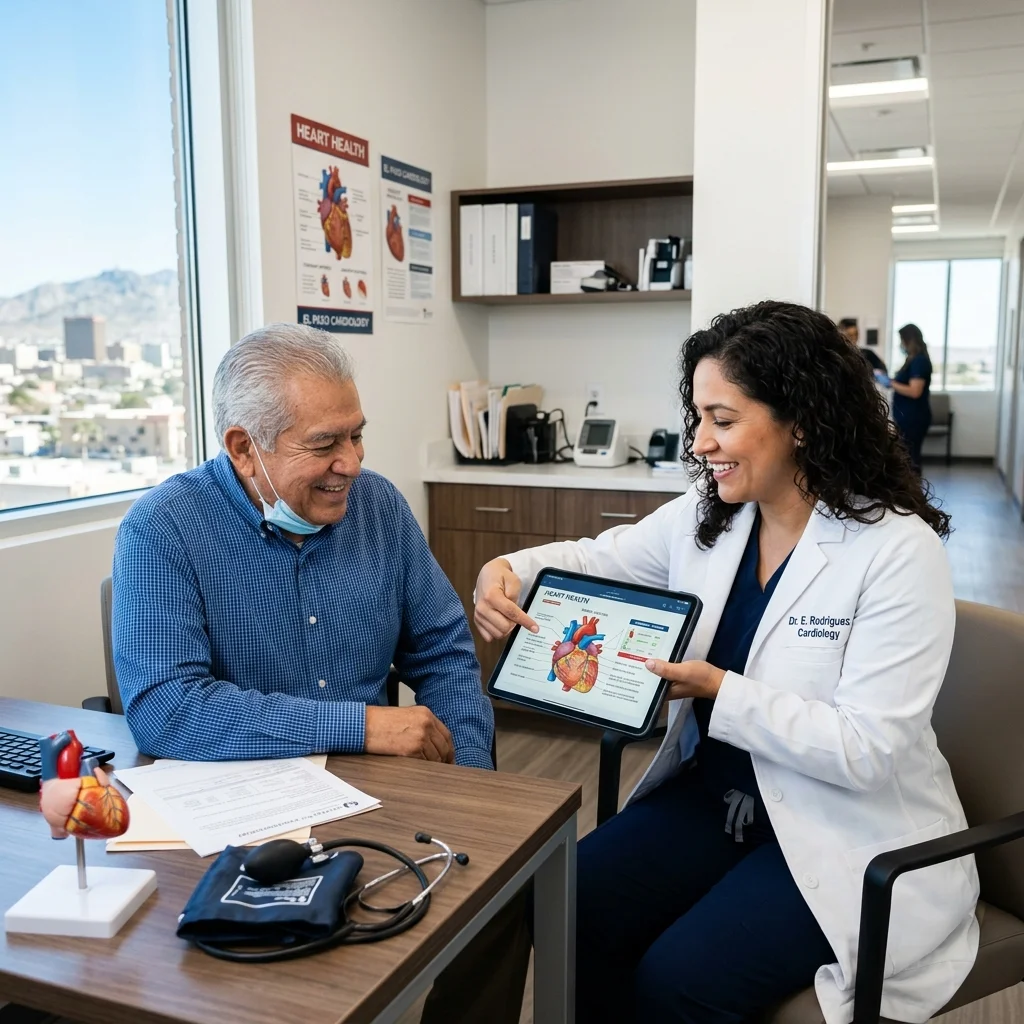
When it comes to maintaining a long, vibrant life, few things are as critical as cardiovascular health. Yet, for many residents in El Paso, TX, the complexities of managing heart health—specifically understanding cholesterol—can feel overwhelming. At Kingsway Medical Center, we believe that proactive education is the first step toward prevention.
Whether you are seeking preventative care as a young adult or navigating the unique challenges of aging, understanding how cholesterol impacts your body is absolutely essential. Dr. Adekunle Adedeji, with his dual board certifications in Family Medicine and Geriatric Medicine, often advises patients that managing cholesterol is not just about avoiding disease; it is about preserving your quality of life for decades to come.
In this comprehensive guide, we will break down the science of cholesterol, explore why it matters specifically for our El Paso community, and provide actionable, medically-sound strategies to keep your heart functioning at its absolute best.
Table of Contents
- What is Cholesterol? The Good, The Bad, and The Essential
- Why El Paso Residents Need to Prioritize Heart Health
- The Silent Danger: Why High Cholesterol Goes Unnoticed
- Causes and Risk Factors for High Cholesterol
- The Role of Family and Geriatric Medicine in Cardiovascular Care
- Dietary Strategies: Eating for a Healthy Heart in Texas
- Lifestyle Interventions: Movement and Stress Management
- Medical Treatments and Clinical Interventions
- Frequently Asked Questions (People Also Ask)
- Take Control of Your Heart Health Today
1. What is Cholesterol? The Good, The Bad, and The Essential
To understand heart health, you first have to understand what cholesterol actually is. Contrary to popular belief, cholesterol is not inherently "bad." In fact, it is a waxy, fat-like substance produced naturally by your liver that is essential for life. Your body uses cholesterol to build cell membranes, produce critical hormones like estrogen and testosterone, and synthesize Vitamin D.
However, because cholesterol is a lipid (fat), it cannot dissolve in your blood. Instead, it must be carried through your bloodstream by specific proteins known as lipoproteins. The two most important types of lipoproteins are:
Low-Density Lipoprotein (LDL) – "The Bad Cholesterol" LDL cholesterol is responsible for transporting cholesterol from your liver to the cells that need it. However, if there is too much LDL in your bloodstream, it can begin to accumulate on the walls of your arteries. Over time, this buildup forms a hard, thick substance called plaque. Plaque narrows your arteries, making them less flexible—a condition known as atherosclerosis. If a plaque deposit ruptures, it can form a blood clot, which blocks blood flow and can lead to a heart attack or stroke.
High-Density Lipoprotein (HDL) – "The Good Cholesterol" HDL cholesterol acts as a cellular vacuum cleaner. It travels through your bloodstream, picks up excess cholesterol (including LDL), and carries it back to your liver where it can be processed and expelled from your body. Having high levels of HDL is considered highly protective against cardiovascular disease.
Understanding the balance between LDL and HDL is the foundation of modern cardiovascular medicine. For more detailed clinical definitions, the Centers for Disease Control and Prevention (CDC) provides excellent resources on understanding cholesterol levels.
2. Why El Paso Residents Need to Prioritize Heart Health
Here in El Paso, our unique culture, climate, and lifestyle choices profoundly impact our community's cardiovascular health. According to public health data, cardiovascular disease remains a leading cause of mortality in Texas, particularly among the Hispanic population.
Several localized factors contribute to this increased risk:
- Dietary Traditions: Many beloved local and traditional foods are heavy in saturated fats and refined carbohydrates, which can quickly elevate LDL levels.
- Sedentary Lifestyles: Extreme summer heat in El Paso can sometimes discourage outdoor physical activity, leading to prolonged periods of inactivity that negatively impact metabolism.
- High Rates of Co-morbidities: El Paso sees elevated rates of Type 2 Diabetes and hypertension (high blood pressure). These conditions act as threat-multipliers when combined with high cholesterol, drastically accelerating damage to the arterial walls.
In our practice at Kingsway Medical Center on North Loop Dr, we see the consequences of unmanaged cholesterol daily. Preventative action is paramount. Taking control of your heart health early can prevent the cascading effects of chronic disease later in life.
3. The Silent Danger: Why High Cholesterol Goes Unnoticed
One of the most terrifying aspects of high cholesterol is its invisibility. Hyperlipidemia (the medical term for high cholesterol) is notoriously asymptomatic. You can have dangerously high levels of LDL cholesterol and feel absolutely fine, exhibiting zero outward symptoms.
Unlike a respiratory infection or joint pain, high cholesterol does not manifest as a cough, a fever, or a physical ache. The very first "symptom" a patient experiences could tragically be a severe cardiovascular event, such as a heart attack, a transient ischemic attack (TIA), or a full stroke.
This is why routine lipid panel screenings are non-negotiable. A standard lipid panel is a simple blood test that measures your Total Cholesterol, LDL, HDL, and Triglycerides (another type of fat in your blood). The American Heart Association recommends that all adults over the age of 20 have their cholesterol checked every 4 to 6 years. However, if you have risk factors—or if you are a senior citizen—you need this screening annually.
4. Causes and Risk Factors for High Cholesterol
What drives cholesterol levels up? The answer is a complex interplay between your genetic inheritance and your daily choices.
Lifestyle Factors:
- Poor Diet: Consuming excessive saturated fats (found in red meat and full-fat dairy) and trans fats (often found in processed snacks and fried foods) directly forces your liver to produce more LDL cholesterol.
- Lack of Physical Activity: A sedentary lifestyle lowers your HDL (good) cholesterol, making it harder for your body to clear out the bad cholesterol.
- Smoking and Vaping: Tobacco smoke physically damages the walls of your blood vessels, making them rough and highly susceptible to accumulating plaque. It also lowers HDL.
- Obesity: Carrying excess body weight—particularly visceral fat around the abdomen—alters how your body metabolizes lipids, leading to higher LDL and triglycerides.
Uncontrollable Risk Factors:
- Genetics (Familial Hypercholesterolemia): Some individuals inherit genes that cause their liver to produce too much cholesterol, or genes that prevent their body from effectively removing LDL from the blood.
- Age and Gender: As we age, our liver naturally becomes less efficient at removing LDL cholesterol. Additionally, women often see a sharp increase in LDL levels following menopause due to the loss of protective estrogen.
5. The Role of Family and Geriatric Medicine in Cardiovascular Care
Managing cholesterol isn't a one-size-fits-all endeavor. A 35-year-old with a family history of heart disease requires a completely different approach than a 75-year-old managing multiple chronic conditions. This is where the intersection of Family Medicine and Geriatric Medicine becomes incredibly valuable.
Dr. Adedeji often advises patients that true cardiovascular care requires a holistic view of the patient. In Geriatric Medicine specifically, we must account for:
- Polypharmacy: Older adults often take multiple medications. We must carefully evaluate how cholesterol-lowering drugs interact with blood pressure medications, diabetes treatments, or arthritis pain relievers.
- Metabolic Slowing: Aging bodies process fats and sugars differently. Nutritional counseling must be tailored to the realities of an aging metabolism.
- Fall Risks and Mobility: Recommending exercise for seniors requires expertise in geriatric physical therapy to ensure the activity is safe, joint-friendly, and effective for cardiovascular health without increasing the risk of injury.
At Kingsway Medical Center, our dual focus allows us to care for you across your entire lifespan, seamlessly adapting your treatment plan as your body and needs evolve.
6. Dietary Strategies: Eating for a Healthy Heart in Texas
The most powerful tool you have to control your cholesterol is your fork. A heart-healthy diet doesn't mean abandoning flavor or cultural traditions; it means making strategic substitutions.
Increase Soluble Fiber Soluble fiber acts like a sponge in your digestive tract, binding to cholesterol molecules and dragging them out of your body before they can enter your bloodstream. Excellent sources include:
- Oatmeal and oat bran
- Kidney beans, lentils, and chickpeas
- Apples, pears, and citrus fruits
- Brussels sprouts and carrots
Embrace Healthy Fats Not all fats are bad. Monounsaturated and polyunsaturated fats actually help improve your blood cholesterol profile.
- Replace butter or lard with olive oil or avocado oil.
- Eat fatty fish (like salmon, mackerel, and sardines) at least twice a week to benefit from Omega-3 fatty acids, which lower triglycerides.
- Snack on raw almonds, walnuts, and seeds.
Limit Saturated and Trans Fats Strictly limit your intake of red meat, processed meats (sausages, bacon), and commercially baked goods. If you do eat meat, choose lean cuts and trim visible fat. The American Heart Association provides detailed dietary guidelines that can help you structure a heart-healthy meal plan.
7. Lifestyle Interventions: Movement and Stress Management
Beyond diet, physical movement is the most effective way to raise your HDL (good) cholesterol.
Aerobic Exercise: Aim for at least 150 minutes of moderate-intensity aerobic exercise per week. This could be brisk walking around your El Paso neighborhood, cycling, swimming, or water aerobics (which is particularly excellent for seniors). Exercise helps your body move LDL from the blood to the liver, where it is excreted.
Stress Management: Chronic stress is a massive, often overlooked contributor to heart disease. When you are stressed, your body releases cortisol and adrenaline. Over time, elevated cortisol levels trigger your liver to produce more cholesterol and triglycerides. Finding healthy ways to manage stress—whether through prayer, meditation, deep breathing exercises, or simply spending time with loved ones—is a clinical necessity for cardiovascular health.
8. Medical Treatments and Clinical Interventions
For some patients, diet and exercise are simply not enough, especially if genetics play a dominant role. In these cases, medical intervention is life-saving.
Statins: Statins are the most common and effective cholesterol-lowering medications. They work by blocking the specific enzyme in your liver that is responsible for producing cholesterol. They also help your body reabsorb existing cholesterol built up in plaque on your artery walls.
Other Medications: If statins are not tolerated, other options include Cholesterol Absorption Inhibitors (which prevent your intestines from absorbing cholesterol from food), Bile Acid Sequestrants, and newer injectable PCSK9 inhibitors for those with severe genetic cholesterol issues.
At Kingsway Medical Center, we work collaboratively with you to find the right medication with the fewest side effects, continuously monitoring your liver function and lipid panels to ensure optimal results.
9. Frequently Asked Questions (People Also Ask)
Can I lower my cholesterol naturally without medication? Yes, for many people with mild to moderate hyperlipidemia, aggressive lifestyle changes—such as adopting a Mediterranean-style diet high in soluble fiber, losing 5-10% of body weight, and exercising regularly—can lower LDL cholesterol enough to avoid medication. However, if your cholesterol is genetically driven (Familial Hypercholesterolemia), medication is almost always necessary.
What is a dangerous level of LDL cholesterol? Generally, an LDL level above 160 mg/dL is considered high, and anything above 190 mg/dL is considered very high and requires immediate clinical intervention. However, "dangerous" is relative; if you have diabetes or a history of heart disease, your doctor will likely want your LDL strictly below 70 mg/dL.
Are eggs bad for my cholesterol? For decades, eggs were demonized for their high dietary cholesterol content. Modern research has shown that for most healthy people, the cholesterol found in food (dietary cholesterol) has a much smaller impact on blood cholesterol levels than the saturated and trans fats they consume. Eating eggs in moderation is generally safe, provided you aren't pairing them with high-saturated-fat sides like bacon and buttered toast.
Does alcohol affect cholesterol? Yes. While moderate alcohol consumption has been tenuously linked to slight increases in HDL (good) cholesterol, excessive alcohol intake drastically raises triglycerides and blood pressure, outweighing any potential benefits. We recommend minimizing alcohol intake for overall heart health.
10. Learn More About Managing Cholesterol
For a great visual summary of how cholesterol impacts your arteries and what you can do to protect yourself, watch this highly informative educational video:
11. Take Control of Your Heart Health Today
You only have one heart, and it has to last a lifetime. Don't wait for a medical emergency to start caring about your cholesterol. Proactive screening, educated lifestyle choices, and a trusted medical partner are the keys to longevity.
If you are a resident of El Paso or the surrounding communities and you haven't had your cholesterol checked recently, it is time to take action. Contact Kingsway Medical Center or Schedule an Appointment Online today. Let our team provide the comprehensive, compassionate care you and your heart deserve. Call us at (915) 881-4155 to book your consultation.
Disclaimer: The information provided in this article and any accompanying videos is for educational purposes only and is not intended to be a substitute for professional medical advice, diagnosis, or treatment. Always seek the advice of your physician or other qualified health provider at Kingsway Medical Center with any questions you may have regarding a medical condition or diet changes.
Need to see a doctor?
Our bilingual team is ready to provide compassionate care for your family.
Schedule an Appointment