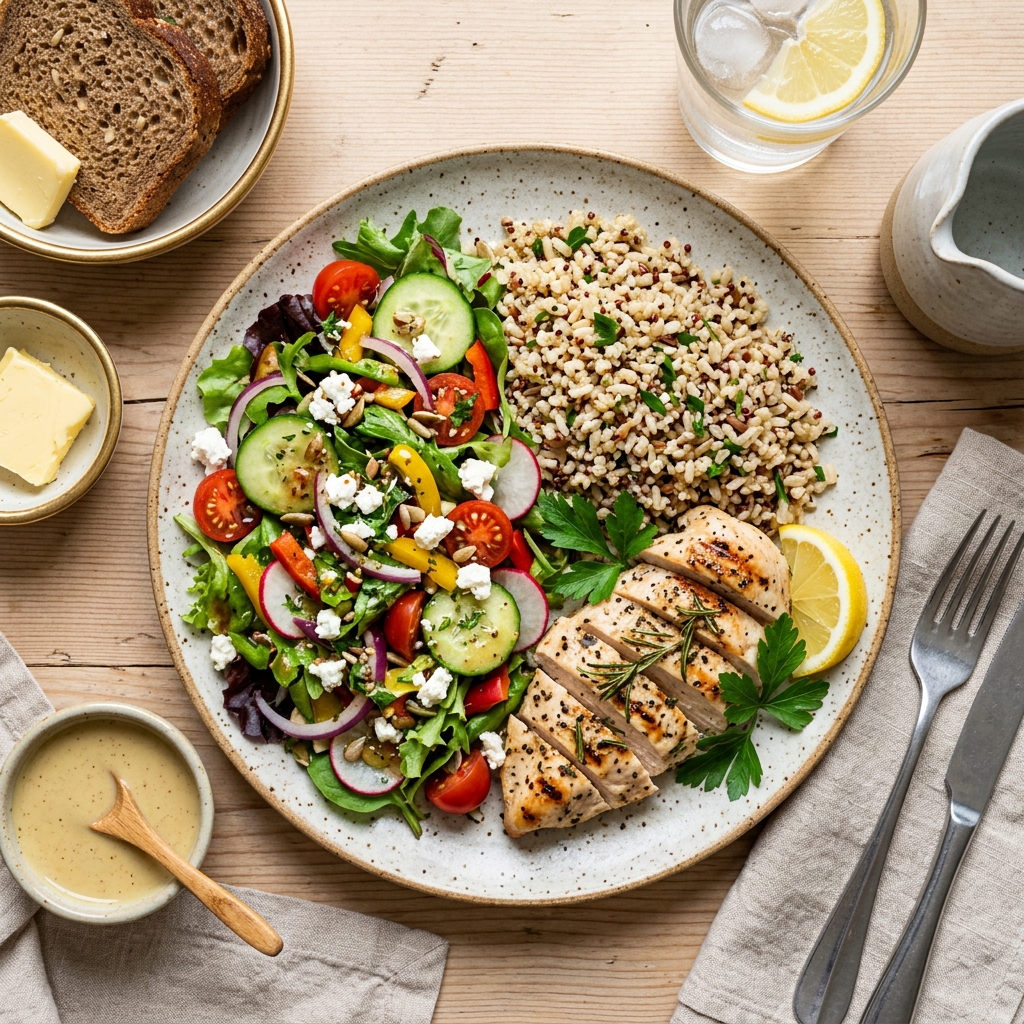
Managing diabetes and high blood pressure doesn’t have to mean giving up delicious food. In fact, what if the secret to lowering your blood pressure and stabilizing your blood sugar was actually found in the grocery aisle rather than the pharmacy?
Eating smart for your heart and blood sugar involves a diet rich in whole grains, leafy greens, lean proteins, and healthy fats, while strictly limiting sodium and refined carbohydrates. By following heart-healthy frameworks like the DASH or Mediterranean diets, individuals can significantly lower blood pressure (hypertension) and improve insulin sensitivity, reducing the risk of cardiovascular disease and diabetic complications.
At Kingsway Medical Center in El Paso, Dr. Adekunle Adedeji and our dedicated Family Nurse Practitioner, Lizet Carrillo, witness the transformative power of nutrition every day. Dr. Adedeji’s extensive research in the Quality Improvement for Management of Diabetics has proven that combining clinical expertise with sustainable dietary changes is the most effective way to combat chronic illness.
Understanding the Connection: Diabetes and Hypertension
Before diving into what to eat, it is crucial to understand why diabetes and high blood pressure so often go hand-in-hand. When blood sugar levels remain chronically high, the excess glucose damages the lining of your blood vessels. This damage makes the vessels stiffer and narrower, forcing the heart to pump much harder to circulate blood. This increased resistance is what causes high blood pressure.
It sounds intimidating, doesn’t it?
But there is good news. Because these two conditions are so closely linked by vascular health, the dietary changes that improve one will almost always improve the other.
The Foundations of a Heart-Healthy, Blood Sugar-Balancing Diet
Managing these conditions isn’t about starvation; it’s about strategic substitution. According to the American Heart Association (AHA), a heart-healthy diet is one that emphasizes nutrient-dense foods while minimizing inflammatory ingredients.
1. Embrace Complex Carbohydrates
Carbohydrates are not the enemy, but refined carbohydrates (like white bread, pastries, and sugary drinks) certainly are. Refined carbs cause rapid spikes in blood sugar, which triggers insulin surges and vascular inflammation.
Instead, choose complex carbohydrates that are rich in fiber. Fiber slows down the digestive process, leading to a slow, steady release of glucose into the bloodstream. Excellent sources include:
- Oats and quinoa
- Brown rice
- Lentils and chickpeas
- Non-starchy vegetables (broccoli, spinach, bell peppers)
2. Slash the Sodium
Sodium is a major contributor to high blood pressure because it pulls water into your blood vessels, increasing the volume of blood and the pressure against the vessel walls. The CDC recommends limiting sodium intake to less than 2,300 mg per day, though ideal limits for hypertensive patients are often closer to 1,500 mg.
To reduce sodium without sacrificing flavor:
- Swap salt for herbs and spices like garlic, turmeric, oregano, and cumin.
- Rinse canned beans and vegetables thoroughly before cooking.
- Avoid highly processed meats like bacon, deli meat, and sausages.
3. Prioritize Lean Proteins and Healthy Fats
Protein helps stabilize blood sugar by preventing rapid post-meal spikes, while healthy fats reduce vascular inflammation and improve cholesterol profiles. Lean heavily on:
- Skinless poultry and fish (especially salmon, which is rich in Omega-3s).
- Plant-based proteins like tofu and edamame.
- Monounsaturated fats like extra virgin olive oil, avocados, and unsalted nuts.
The DASH Diet: A Proven Medical Framework
When our providers at Kingsway Medical Center discuss eating smart for your heart and blood sugar, we frequently reference the DASH (Dietary Approaches to Stop Hypertension) diet. Originally designed to combat high blood pressure, the DASH diet has proven incredibly effective for diabetes management as well.
The DASH diet isn’t a restrictive fad. It is a flexible, balanced eating plan that requires no special foods and instead provides daily and weekly nutritional goals. It heavily emphasizes potassium, calcium, and magnesium—three minerals that naturally help blood vessels relax, thereby lowering blood pressure.
Practical Tips for Grocery Shopping and Meal Prep
Knowing what to eat is only half the battle. Implementing it into your daily routine is where the real challenge lies.
Here is how you can make eating smart a sustainable lifestyle:
Shop the Perimeter
The healthiest foods in a grocery store are almost always located along the outer walls—fresh produce, fresh meats, and dairy. The center aisles are typically packed with highly processed, sodium-rich, and sugar-laden boxed foods. Stick to the perimeter as much as possible.
Read Labels Like a Pro
Don’t be fooled by marketing claims on the front of a box. Turn the package around and look at the Nutrition Facts panel. Pay close attention to the “Serving Size,” “Added Sugars,” and “Sodium.” If a product contains more than 10% of your daily value of sodium per serving, leave it on the shelf.
Stay Hydrated
As we discussed in our article, The Power of Hydration: Why Water is Your Body’s Best Friend, chronic dehydration can actually increase blood sugar concentration and raise blood pressure. Water is essential for flushing excess sodium and glucose from the body.
Frequently Asked Questions (FAQ)
Can I ever eat sugar again if I have diabetes?
Yes, but moderation is key. Rather than consuming refined sugars found in candy and baked goods, satisfy your sweet tooth with natural sugars found in whole fruits like berries and apples, which also provide fiber to slow sugar absorption.
Are eggs bad for high blood pressure and diabetes?
For most people, eating up to one whole egg a day does not increase the risk of heart disease and can be part of a healthy diet. However, if you have severe diabetes or high cholesterol, consult Dr. Adedeji about your specific limits.
Is Himalayan pink salt better for high blood pressure than table salt?
No. Himalayan pink salt contains roughly the same amount of sodium as regular table salt by weight. While it has trace minerals, it will still raise your blood pressure if overconsumed.
How fast will my blood pressure drop if I change my diet?
Many patients see a noticeable drop in their blood pressure within just two to four weeks of strictly adhering to a low-sodium, DASH-style diet, particularly when combined with daily exercise.
Do I need to see a specialist for my diabetes?
Most type 2 diabetes can be expertly managed by a highly qualified primary care physician. Dr. Adedeji’s extensive research background in diabetic management makes Kingsway Medical Center an ideal home for your ongoing care.
Partner With Us for a Healthier Future
Managing chronic conditions requires a team effort. You provide the daily discipline, and we provide the medical expertise and ongoing support. If you are struggling to manage your blood pressure or blood sugar, schedule an appointment with Dr. Adekunle Adedeji or Lizet Carrillo, NP, at Kingsway Medical Center today.
Learn More from the Experts:
Click here to watch an expert video on managing diabetes and hypertension through diet.
*Disclaimer: The information provided in this article and any accompanying videos is for educational purposes only and is not intended to be a substitute for professional medical advice, diagnosis, or treatment. Always seek the advice of your physician or other qualified health provider at Kingsway Medical Center with any questions you may have regarding a medical condition or diet changes.

